Reliable Spider Control Markham across home properties
Reliable Spider Control Markham across home properties
Blog Article
Spiders can come in through narrow cracks, track insects indoors, and settle in secluded spots of a home. A few isolated sightings may not signal a serious issue. Frequent sightings, fresh spider webs, or egg sacs often point to conditions that support a spider infestation.
Professional Spider Control Markham services offer you a clear plan for inspection, pest identification, targeted treatment, and prevention. A trained technician can assess the property, locate entry points, determine the spider species, and recommend practical pest control steps for your household. Companies such as Mosquito Man may also address residential pest control needs that involve both spiders and the insects that draw them indoors.
The right approach depends on the species, location, level of activity, and condition of the property. Professional spider treatment should resolve the source of the problem rather than only clearing away visible spiders.
Why House spiders Enter Houses
Spiders enter homes for three main reasons: prey, protection, and favorable conditions. Insects offer a regular food source, especially around lights, windows, doors, and damp areas. Once insects gather, spiders may move in after them.
Homes also offer shelter from temperature changes, rain, wind, and predators. Basements, garages, attics, storage rooms, and areas behind furniture provide undisturbed spaces where spiders can make webs and lay egg sacs. A cluttered room gives spiders more places to hide and makes activity more difficult to notice.
Small gaps around doors, windows, utility lines, vents, and the foundation can serve as entry points. Spiders may also enter through firewood, boxes, plants, outdoor furniture, or company website other items brought indoors. An open garage door creates another simple entry point.
Outdoor lighting can raise insect activity near the home. Spiders then create webs around eaves, window frames, porch lights, and other areas where insects congregate. Moisture also matters. Leaking pipes, poor drainage, and damp storage areas can sustain insects and make the property more appealing to spiders.
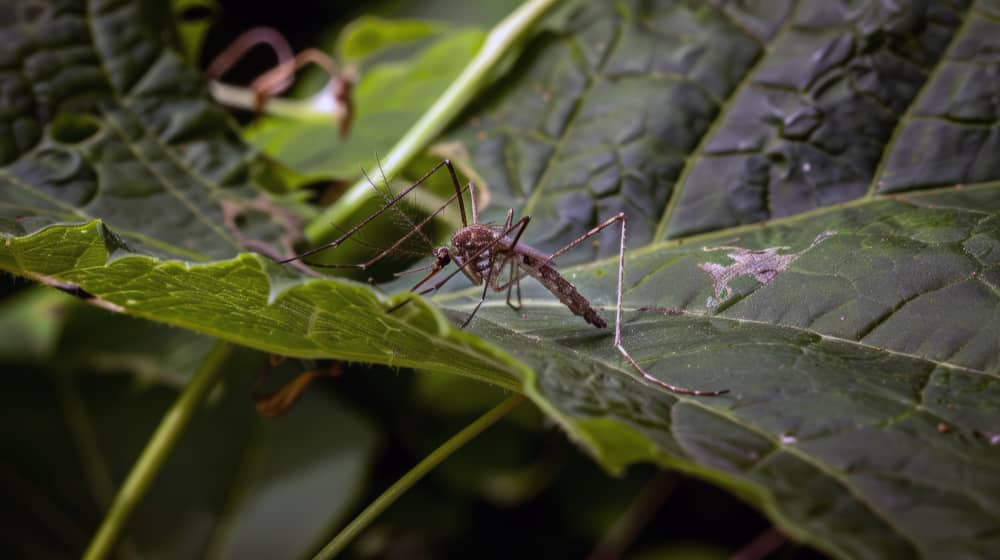
Common Spider Species Found in Homes
Identifying the species supports choosing the right treatment plan. Typical indoor spiders differ in appearance, behaviour, and preferred habitat.
House spider: The house spider is usually tiny and grey or brown. It often builds irregular webs in corners, window frames, garages, and other less-used areas. This spider is generally non-venomous and avoids people.
Wolf spider: A wolf spider is bigger, mobile, and typically found on floors, in basements, garages, or near exterior doors. It hunts rather than relying on a web to catch prey. Its size can seem concerning, but it usually prefers to run away instead of approach people.
Cellar spider: The cellar spider has a tiny body and very slender and lengthy legs. It commonly appears in basements, crawl spaces, utility rooms, and dark corners. It creates loose, irregular webs and may become noticeable when conditions remain moist.
Black widow spider: The black widow spider is not often found in homes but deserves extra caution because it is a venomous spider. It has a dark body and may show red markings. Do not handle an unknown spider. Keep children and pets away from the area and schedule professional pest identification.
Most spiders found inside homes are not venomous and pose few concerns. However, a photograph, careful description, or technician assessment can help tell apart harmless species from spiders that require greater attention.
Indications You May Need Professional Spider Control
A lone spider does not always call for a treatment visit. Ongoing activity may show that the property offers food, shelter, or access. Watch for these signs:
- Spider webbing: New webs develop in several rooms, around windows, under eaves, or in the garage after old webs are removed.
- Spider egg sacs: Tiny silk sacs may appear in corners, behind stored items, under furniture, or near webbing. Each sac can contain many developing spiders.
- Spider encounters: You see spiders regularly, especially during the day or in occupied rooms. Activity in more than one area may indicate a wider issue.
- Insect problems: Flies, moths, ants, and other insects provide food. A rise in insects can lead to more spiders even if the spiders were not the original problem.
Other warning signs include webs that return quickly after cleaning, spiders emerging from boxes or stored materials, and recurring spider activity after DIY sprays. A pest control inspection can reveal whether the issue is local or connected to exterior conditions.

How Professional Spider Treatment Works
A professional service starts with an inspection rather than an immediate spray. During the inspection, the technician reviews interior rooms, the exterior perimeter, storage areas, and likely entry points. They may look at web locations, moisture sources, insect activity, and conditions around the foundation.
Inspection: The technician reviews the property layout and areas where spiders are most active. They may inspect basements, attics, garages, utility spaces, window frames, doors, and exterior lighting.
Pest identification: Correct pest identification indicates whether the spider is a house spider, wolf spider, cellar spider, black widow spider, or another species. The technician may also identify the insects drawing spiders.
Targeted treatment: Treatment focuses on active areas, harbourage sites, cracks and crevices, and likely routes into the home. The selected method should fit the species and the level of activity.
Follow-up service: A follow-up service checks whether spider webs, sightings, and insect activity have declined. The technician can change the treatment plan if activity continues or if new entry points become apparent.
Indoor Spider Treatment
Interior treatment often focuses on basements, attics, garages, storage rooms, and other areas with limited traffic. These spaces may contain boxes, wood, tools, and other materials that create shelter. A technician may remove webs and egg sacs where appropriate, treat cracks and crevices, and identify conditions that support insects.
Before an interior treatment, you may need to clear access around walls, move pet dishes, cover food, and remove loose items from floors. Follow the service instructions about ventilation, re-entry, and cleaning. Do not disturb treated areas until the technician says it is safe.
Interior treatment alone may not solve a spider problem if spiders continue to enter from outside. The technician should link indoor findings with exterior conditions and recommend practical sealing or maintenance steps.
Outdoor Spider Prevention
Outdoor service targets the base of the home, eaves, window surrounds, doors, vents, and other areas where spiders leave webs. A protective treatment may be applied to targeted areas around the outside edge of the property. This treatment can reduce movement across frequent paths, but it works best when combined with sealing gaps and reducing insect activity.
Outdoor lighting deserves attention. Strong lights near doors and windows can attract insects, which then bring in spiders. Changing to less attractive bulbs, turning lights off when they are not needed, and keeping fixtures clean may reduce activity.
Technicians may also check vegetation, stored materials, drainage, and web-heavy areas. Cut back plants away from walls, keep firewood off the foundation, and remove unneeded items from around the home.
Pest Control Treatments and Protection Considerations
Spider management may use physical web removal, pesticides, crack-and-crevice applications, outdoor barrier applications, or a combination of methods. The treatment should be chosen after the pest inspection and pest identification process.
Integrated pest management combines inspection, sanitation, entry prevention, monitoring, and products chosen with care. It does not rely on repeated spraying alone. This approach can reduce pesticide use while tackling the conditions that encourage recurring activity.
Ask what pesticides will be used, where they will be applied, and how long people and pets must remain away. Pet safety depends on the product, application area, ventilation, and the kind of pet in the home. Birds, fish, cats, dogs, and other pets may have different risks.
A safe service provider gives clear preparation and re-entry instructions. Keep children and pets away from wet or restricted areas. Put away food, toys, dishes, and pet supplies as directed. Never mix household chemicals with a professional product or apply extra pesticide after treatment.
Products applied outdoors can still reach indoor air or surfaces if used incorrectly. Proper dosing, placement, and documentation matter. A licensed pest professional should review the treatment and answer safety questions before work begins.
How You Can Prevent Spiders from Returning
Spider prevention begins by limiting entry and food sources. Walk around the property and look for gaps around doors, windows, pipes, vents, and utility lines. Fill small openings, fix damaged screens, add door sweeps, and check weatherstripping. These steps support sealing gaps and reducing entry points.
Keep rooms clean and storage areas neat. Sanitation helps reduce flies, moths, ants, and other insects that spiders eat. Vacuum visible webs and spiders when appropriate, then empty the vacuum outdoors. Remove egg sacs carefully and avoid touching unfamiliar spiders.
Moisture control can make a noticeable difference in basements, garages, and utility rooms. Repair leaks, improve drainage, use a dehumidifier where needed, and avoid storing cardboard directly on damp floors. Check condensation around pipes and appliances.
Clutter removal cuts down on hiding places. Keep storage containers closed, leave space between stored items and walls, and remove unused boxes from the attic, basement, and garage. Clean behind appliances and furniture where practical.
Outside, remove webs from eaves, window frames, light fixtures, and porch areas. Keep shrubs and branches away from walls. Reduce unnecessary outdoor lighting and keep doors closed when possible. These simple actions help most when included in a treatment plan when activity is persistent.
Selecting a Spider Control Professional
Look for a licensed pest professional who reviews the findings in plain language. Ask how the technician will identify the spider, inspect the property, keep safe pets, and control the source of activity. A clear answer is better than a promise of instant results.
Ask whether the company offers a written service plan. The plan should describe the treatment areas, preparation steps, products or methods, safety instructions, monitoring, and follow-up service. It should also explain what happens if spider activity continues.
A treatment warranty may provide follow-up visits for a defined period, but terms vary. Check the conditions carefully. Some warranties require access to all treatment areas, homeowner repairs, or scheduled inspections.
Customer reviews can offer information about communication, punctuality, preparation instructions, and post-treatment support. Treat reviews as one useful reference. You should still ask direct questions about licensing, insurance, treatment methods, and pet safety.
A qualified provider should separate spider removal from long-term spider prevention. Removing visible spiders may provide quick relief, while sealing entry points and reducing insect activity can reduce the next wave of sightings.
Frequently Asked Questions About Spider Control
How can I remove spiders in my Markham home?
Start by getting rid of webs, reducing clutter, sealing entry points, and correcting moisture problems. If sightings continue, book a pest control inspection. A professional can determine the species, locate activity, treat cracks and crevices, and address insects that provide food. Professional spider removal is usually more successful when it includes both interior treatment and exterior prevention.
What types of spiders are often found in Markham?
Homes may have house spiders, wolf spiders, cellar spiders, and other non-venomous spiders. The black widow spider is less common but should not be handled. A technician can perform pest identification from a safe distance and advise on the correct treatment for the species found.
Do spiders in Markham pose a danger?
Most indoor spiders are not venomous and stay away from people. Some spiders can bite when cornered or handled, and the black widow spider requires extra caution. Do not touch or crush an unknown spider with your bare hands. Keep children and pets away and contact a licensed pest professional if you have concerns.
What is the cost of spider control in Markham?
Treatment cost depends on the property size, number of treatment areas, spider species, level of activity, access conditions, and whether follow-up visits are needed. A professional should inspect the home before giving a reliable quote. Ask whether the price includes web removal, targeted treatment, exterior service, and follow-up service.
When is it time to contact a spider control professional?
Call when spider webs return quickly, egg sacs are visible, sightings occur in several rooms, or spider activity continues after home remedies. Professional help is also appropriate when you cannot identify the spider, when a venomous spider may be present, or when insects are creating a steady food source.
How can I prevent spiders from returning?
Seal gaps around doors, windows, pipes, and vents. Reduce clutter, manage moisture, repair screens, clean webs, and limit outdoor lighting near entrances. Keep vegetation and stored materials away from the foundation. These measures work better when combined with insect control and a planned exterior perimeter treatment.
Is professional spider treatment safe for pets?
Professional treatment can be planned with pet safety in mind. Tell the technician about every pet before service, including birds, fish, cats, and dogs. Follow instructions about removing animals, food, water bowls, bedding, and toys from treatment areas. Do not allow pets to return until the stated re-entry time has passed.
How quickly can spider control services respond in Markham?
Response time depends on appointment availability, the size of the service area, the urgency of the concern, and whether an inspection is required first. Ask about the earliest inspection, preparation requirements, and expected treatment schedule. If you suspect a black widow spider or another concerning pest, mention that when requesting service.
Report this page